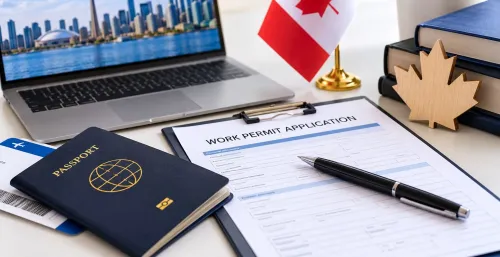

A meeting, contract negotiation, trade fair, or training visit can fall under a business-visitor category, but installing equipment or delivering services may require work authorisation. By separating the activity from the label, matching the correct country route, and preparing consistent evidence, you can identify the right application before booking travel.
Key takeaways
- Choose a visa based on your activities, not your job title.
- Show a clear itinerary, funding source and return reason.
- Make invitation and employer letters match your application exactly.
- Check passport validity, blank pages and prior travel records before applying.
Which visa matches the business activity you will perform?
Choose a visitor visa or business visa when you will attend meetings, negotiate contracts, consult with business associates, visit clients, or attend a conference without performing productive work for a local entity.
Choose a work visa or temporary work authorisation when you will install equipment, provide services, manage a project, train local staff, or receive local remuneration.
| Visa route | Activities usually allowed | Activities that create work-authorisation risk |
|---|---|---|
| Visitor visa or business visa | Meetings, contract negotiations, client visits, site discussions, trade fairs, and business inquiries | Delivering services, operating equipment, supervising local employees, or earning local pay |
| Conference visa | Attending a conference, seminar, convention, or trade fair as a participant | Working at the event, selling directly to the public, or providing contracted services |
| Work visa or temporary work authorisation | Employment, project delivery, installation, training, technical services, and paid assignments | Using a visitor route to perform the same duties |
The label “business trip” does not decide eligibility. In the United States, B-1 status covers consultations, negotiations, and conferences but not ordinary employment or labour. Australia’s Business Visitor stream similarly excludes working for or supplying services to an Australian business. A UK Standard Visitor can attend meetings and negotiate contracts but cannot take unauthorised employment.
Schengen business meetings can fit a short stay of 90 days in any rolling 180-day period; employment follows the destination country’s national rules.
At the border, explain your exact duties, host, payment source, duration, and return plan. A visa or electronic travel authorisation does not guarantee admission.
How do the United States, Canada, UK, Australia and Schengen rules differ?
A meeting trip can fit a visitor category in one country and require work authorisation in another. Match the visa name to both your nationality and the activity you will perform.
| Destination | Visa or status | Country-specific rule |
|---|---|---|
| United States | US B-1 visa | Covers consultations, contract negotiations, commercial transactions without U.S. employment, and business conferences. It does not permit ordinary employment or skilled or unskilled labour. Show your trip purpose, intent to leave, and ability to pay; an invitation letter is not required. |
| Canada | Canada business visitor | You must keep your main business, income, and profits outside Canada and avoid entering the Canadian labour market. Business meetings, conferences, and negotiations can qualify. A business visitor generally stays less than six months; visa or eTA requirements depend on nationality. |
| United Kingdom | UK Standard Visitor | Allows permitted business activities such as meetings, conferences, seminars, and contract negotiations, usually for up to six months. Do not take UK employment, provide services, or work for a UK organisation unless a specific exception applies. |
| Australia | Australia Business Visitor stream Subclass 600 | Allows business inquiries, contract negotiations, conferences, trade fairs, and official government visits. It does not allow work for an Australian business, supplying services, or direct public sales. |
| Schengen area | Schengen short-stay visa, type C | Business meetings can fit the short-stay route for up to 90 days in any rolling 180-day period across all Schengen countries, not 90 days per country. Employment remains subject to the destination country’s national work rules. |
Training, site work, installation, or hands-on services can change the required route. Check the destination country’s immigration authority before booking.
What documents prove the purpose, funding and temporary nature of the trip?
A credible file answers three questions: why you are travelling, who pays, and why you will return. Assemble your business visa document checklist around those questions, then match every date, destination and activity across the documents.
An invitation letter supports your explanation but does not replace immigration requirements. For a U.S. visitor-visa application, the Department of State says it is not required and is not decisive by itself.
- Passport valid for the destination’s required period, with blank visa pages, plus copies of the identity page and previous visas or entry stamps.
- Completed application, appointment confirmation, recent photograph if required, and payment receipt.
- Invitation letter from the host company stating the activity, dates, location, host contact and expense arrangements.
- Employer support letter on company letterhead confirming your job title, salary, approved leave, business purpose, trip dates and return-to-work date.
- Proof of employment, such as an employment contract, recent payslips and staff records.
- Bank statements, salary credits, tax records or an employer undertaking showing funds for flights, accommodation and daily costs.
- Flight itinerary, accommodation booking, travel medical insurance where required, and evidence of planned return or onward travel.
| Evidence | What it proves | Common weakness |
|---|---|---|
| Purpose | Host invitation, agenda or conference registration | Vague “business meeting” wording |
| Funding | Bank statements, payslips and expense undertaking | Unexplained large deposits |
| Temporary stay | Approved leave, ongoing employment and return plan | Conflicting dates or missing leave approval |
How should invitation and employer letters explain the trip?
The host-company invitation must show exactly why you are travelling, who will meet you, and when you will leave. Strong business invitation letter requirements include:
- The host organisation’s legal name, address, website, contact person, and relationship with your employer
- Your full name, passport number, job title, and employer
- The meeting, negotiation, conference, site visit, or training purpose
- Specific dates, cities, locations, and planned activities
- Who will pay for flights, accommodation, meals, and local transport
- A statement confirming that you will not take local employment or receive salary from the host
- The host’s signature, date, and business registration or contact details when requested
Your employer letter for business visa applications must match those facts. It should confirm your job title, employment start date, salary, approved leave, business reason for travel, trip dates, and the date you will resume work. State whether the trip is employer-funded travel and identify any costs you will pay yourself.
The letters should explain the commercial relationship without claiming that an invitation guarantees approval. Immigration officers still assess your funds, temporary intent, accommodation, and permitted activities. For a U.S. visitor visa, an invitation letter is not required and does not decide the application by itself.
Use company letterhead, consistent dates, and a named contact who can verify the visit.
How can you prevent contradictions and travel-document problems?
Run one final reconciliation, because a visa approval does not guarantee admission at the border. Match every date, name, employer, host, job title, business activity, funding source, accommodation address and intended departure across your evidence.
1. Read the business visa application form beside your passport. Correct spelling, passport number, issue and expiry dates, previous refusals, employer details and travel dates. Do not leave an answer that conflicts with your immigration history; explain a refusal, overstay or name change with supporting records.
2. Check passport validity against the destination’s rule and your airline’s document check. For Schengen travel, confirm validity for at least three months after departure and issuance within the past 10 years. Count blank passport pages and replace a damaged or nearly full passport before travel.
3. Build a dated evidence folder containing the host invitation, employer letter, meeting or conference agenda, accommodation details, return or onward booking, funding proof and documents showing your work remains based outside the destination. The invitation supports your case; it does not replace eligibility or required work authorisation.
4. Rehearse direct answers for the interview and border officer: why you are going, whom you will meet, what you will do, where you will stay, who pays and when you will leave.
If Visa 4 Sure Immigration Consultancy Pvt Ltd arranges air tickets, check that the itinerary matches the permitted stay before issuing it; a return ticket cannot cure an incorrect visa purpose or inconsistent evidence.
Frequently asked questions
Which visa matches business meetings, negotiations and conferences?
A visitor or business visa fits meetings, contract negotiations, consultations, client visits and conferences when you do not perform productive work for a local entity. Paid work, hands-on services or local employment usually require a different work-authorisation route.
How do business visa rules differ between the United States, Canada, the UK, Australia and Schengen countries?
The United States uses the B-1 category for qualifying business visits. Canada generally uses business visitor rules for short activities without entering the Canadian labour market. The UK uses the Standard Visitor route for permitted business activities. Australia uses visitor streams such as the Business Visitor stream. Schengen countries apply short-stay rules, usually allowing up to 90 days in any 180-day period across the Schengen Area, subject to the activity and nationality requirements.
What documents prove the purpose and funding of a business trip?
Use an invitation letter, employer letter, meeting or conference evidence, a dated itinerary, accommodation details, return or onward travel evidence, bank statements and proof of employment or business ownership. Each document should identify who pays and why the trip ends.
What should an invitation letter and employer letter explain?
State the traveller’s full name, passport number, host organisation, dates, locations, business purpose, planned activities, who pays expenses and whether the host provides accommodation. The employer letter should add job title, salary, approved leave, length of employment and the expected return to work.
How can you prevent contradictions in a business visa application?
Use identical dates, company names, job titles, meeting locations and funding details across forms and letters. Explain differences before submission, translate documents when required, check passport validity and blank pages, and carry key supporting documents when travelling.